03 — Specifications
The specification ledger we keep for every find
Buyers of American antiques deserve the same paperwork a museum registrar keeps. These are the fields filled in, by hand, before any piece joins the register.
- Era window
- Circa 1780–1930Country furniture, painted tin, copper, ironstone, and early textiles of the American Northeast.
- Materials examined
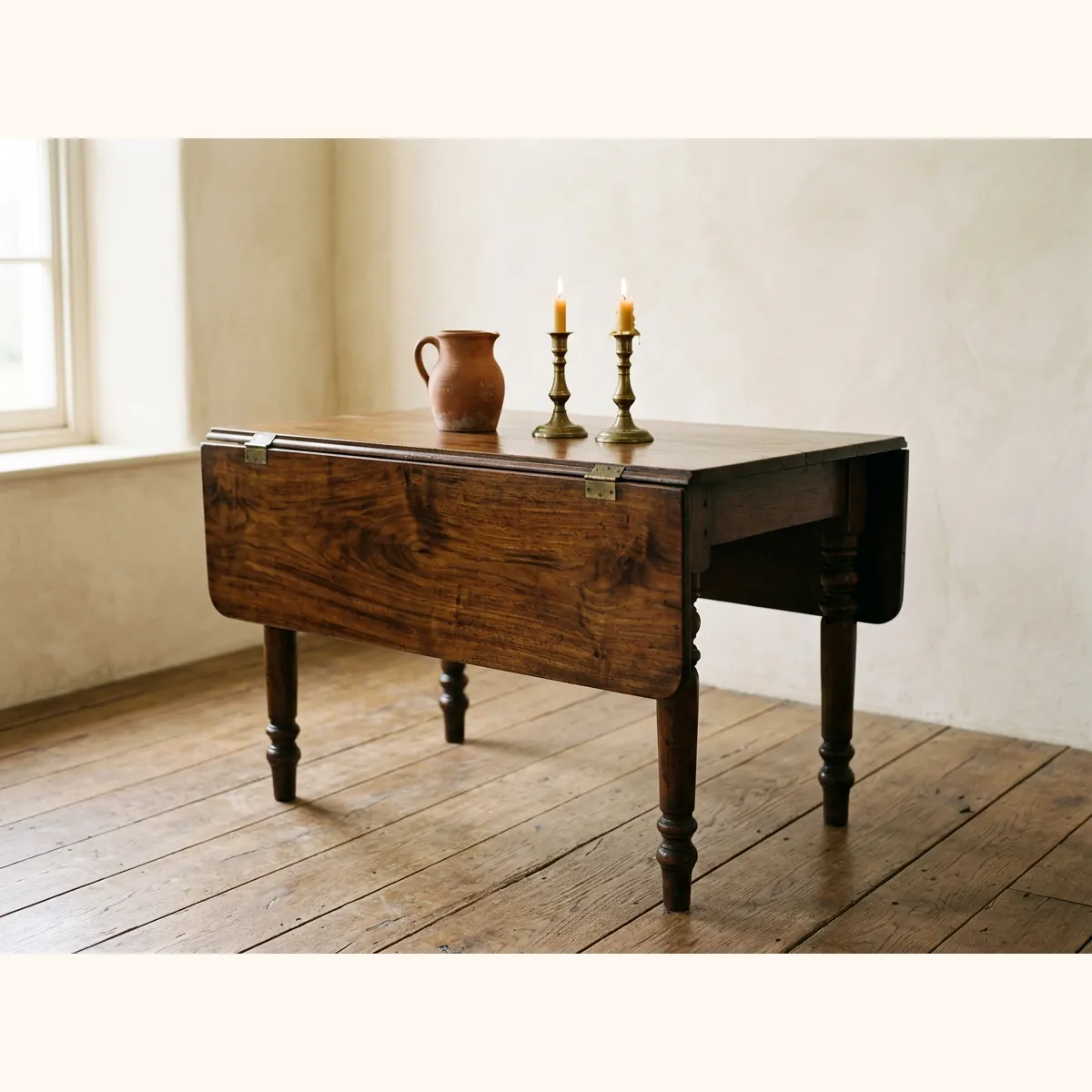
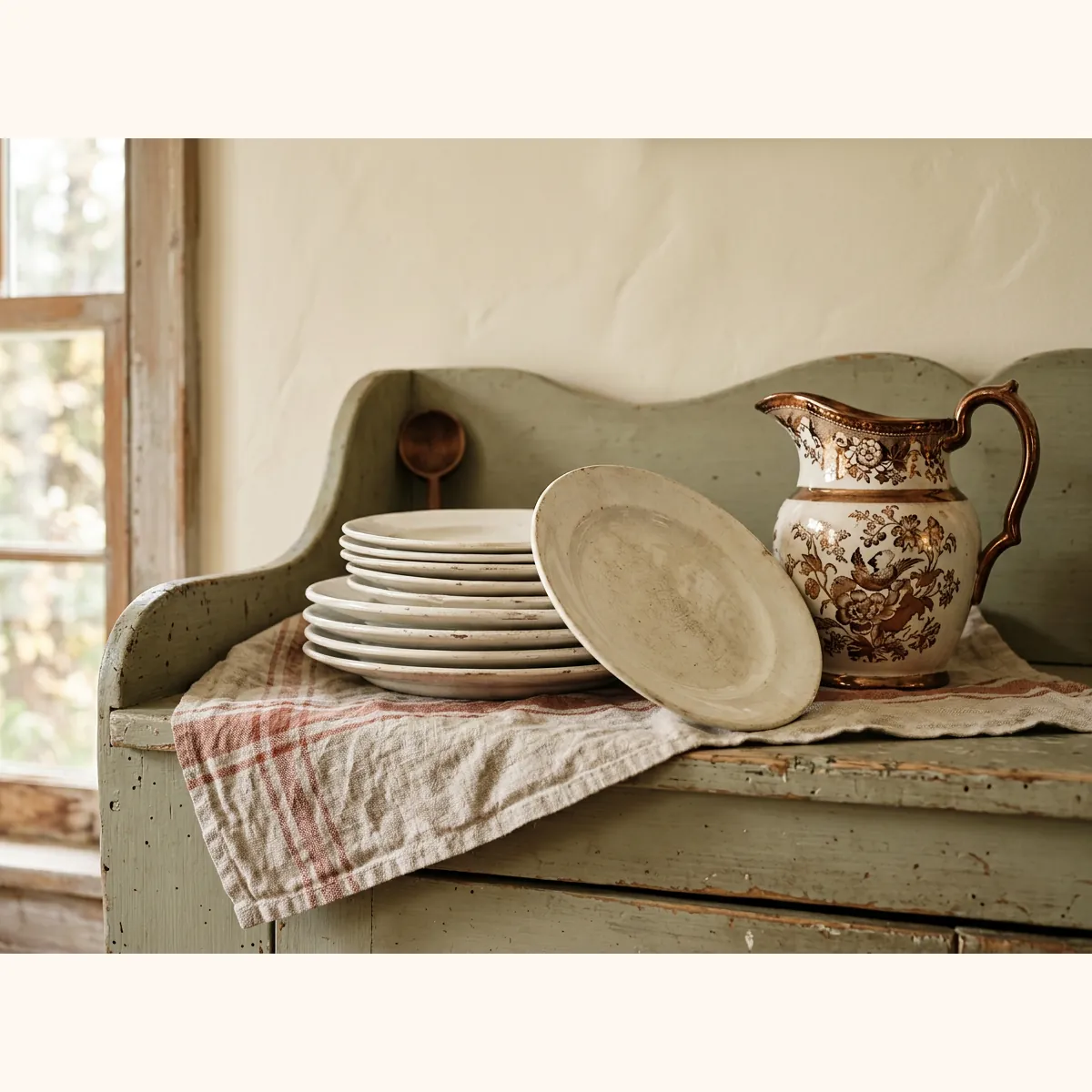
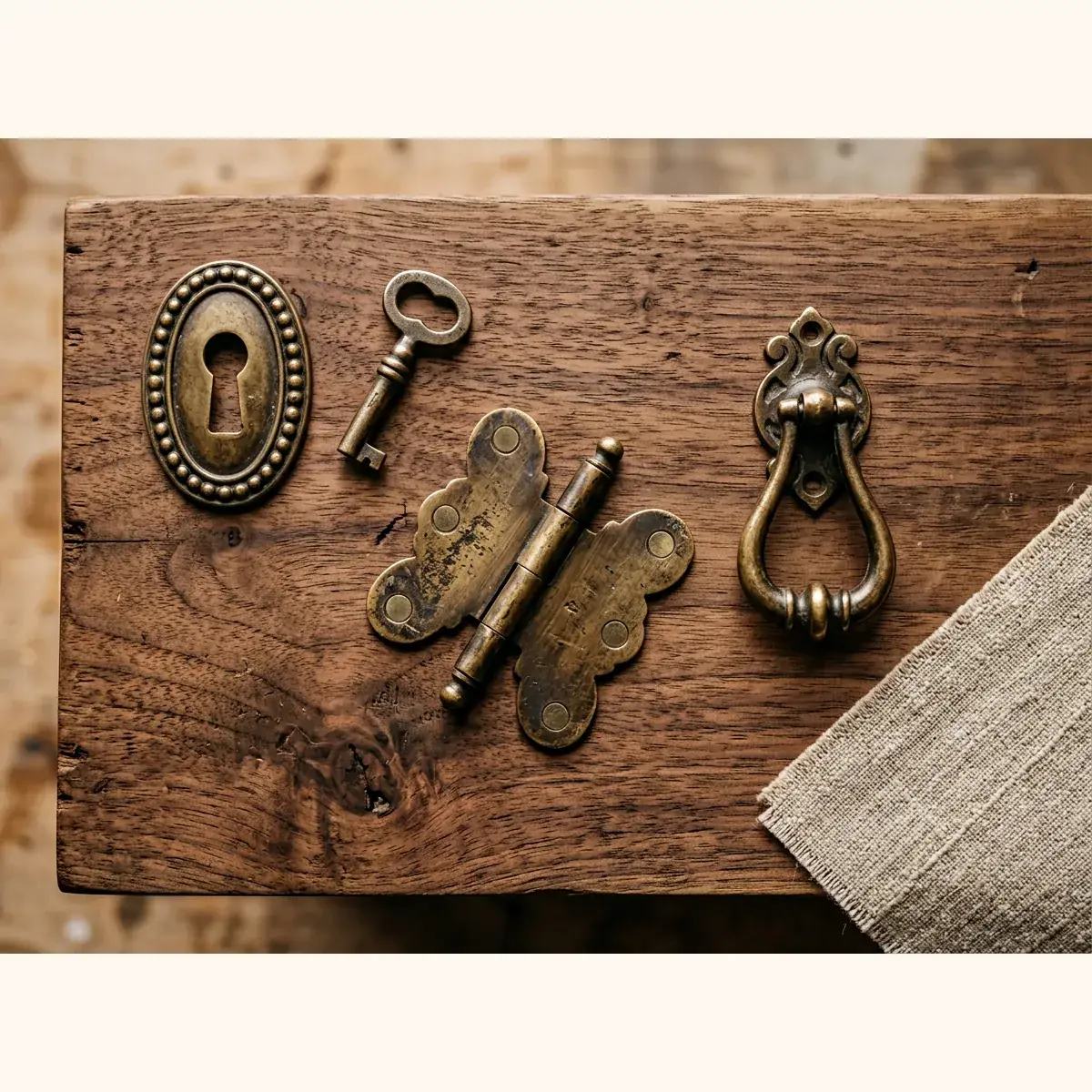
- Walnut, pine, maple, copper, cast brass, ironstoneSpecies and metal identified under raking light with a hand lens before cataloging.
- Condition grading
- Four grades, wear always namedSound, sound with honest wear, stable with conservation, or study piece — never hidden behind polite language.
- Restoration policy
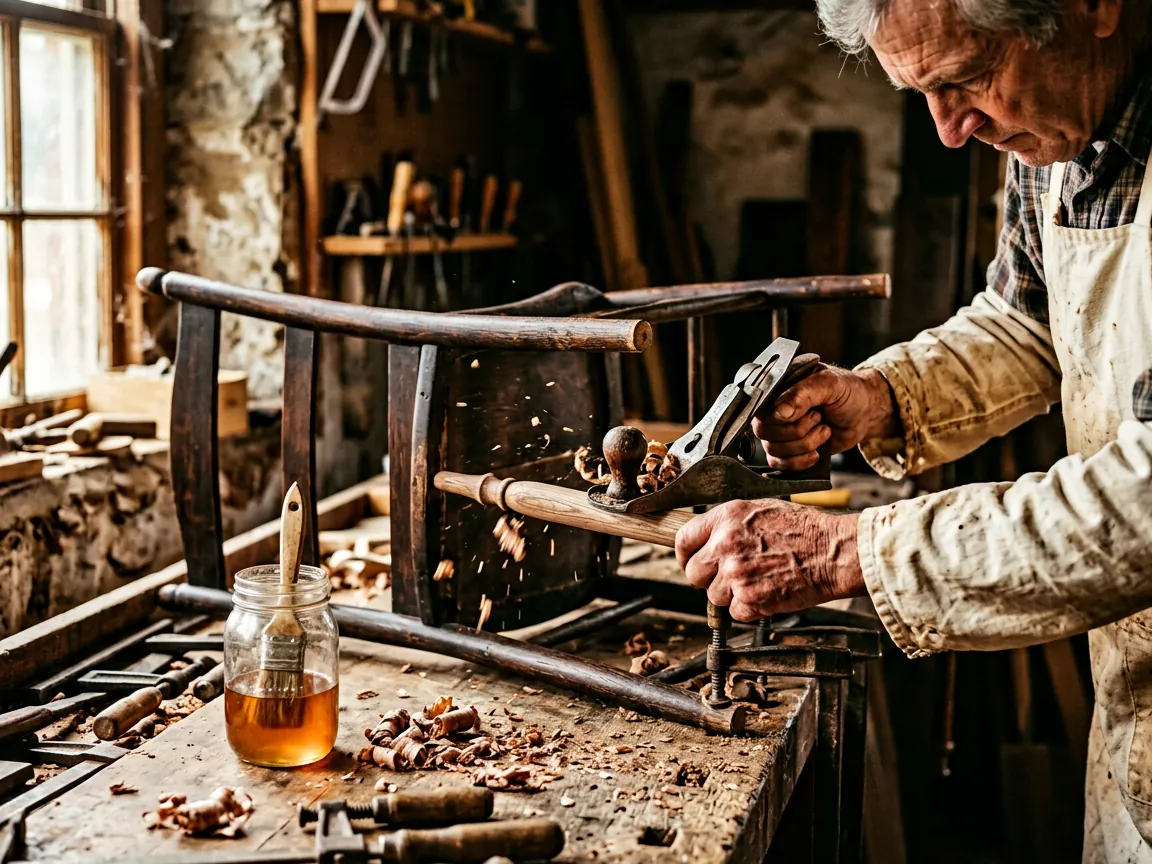
- Reversible onlyHide glue, shellac, and brass pins that a future conservator can undo without harming original material.
- Provenance standard
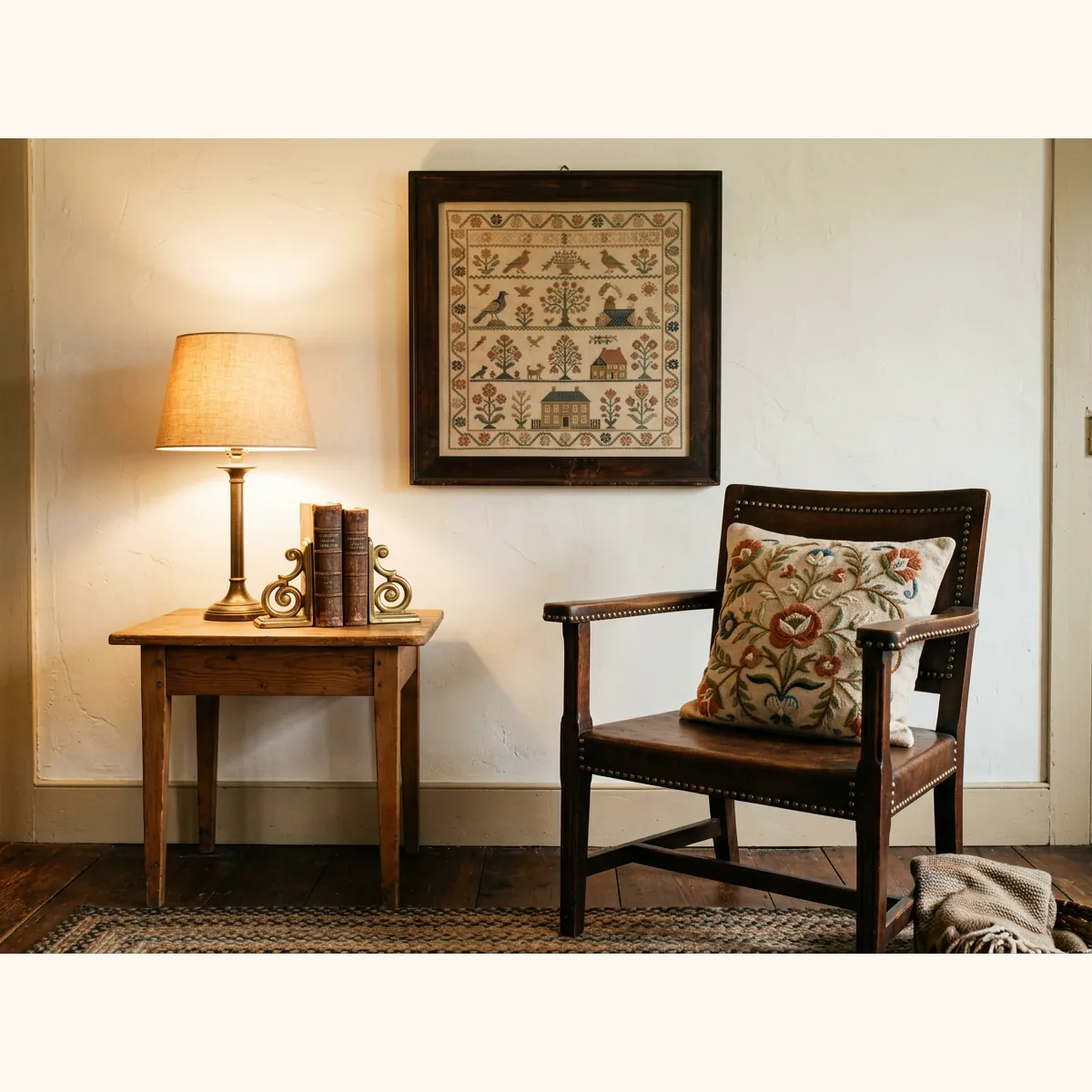
- Region, household, and chain of handsWhere privacy allows, the family name and town travel with the object; otherwise the region and dispersal date are recorded.
- Photography protocol
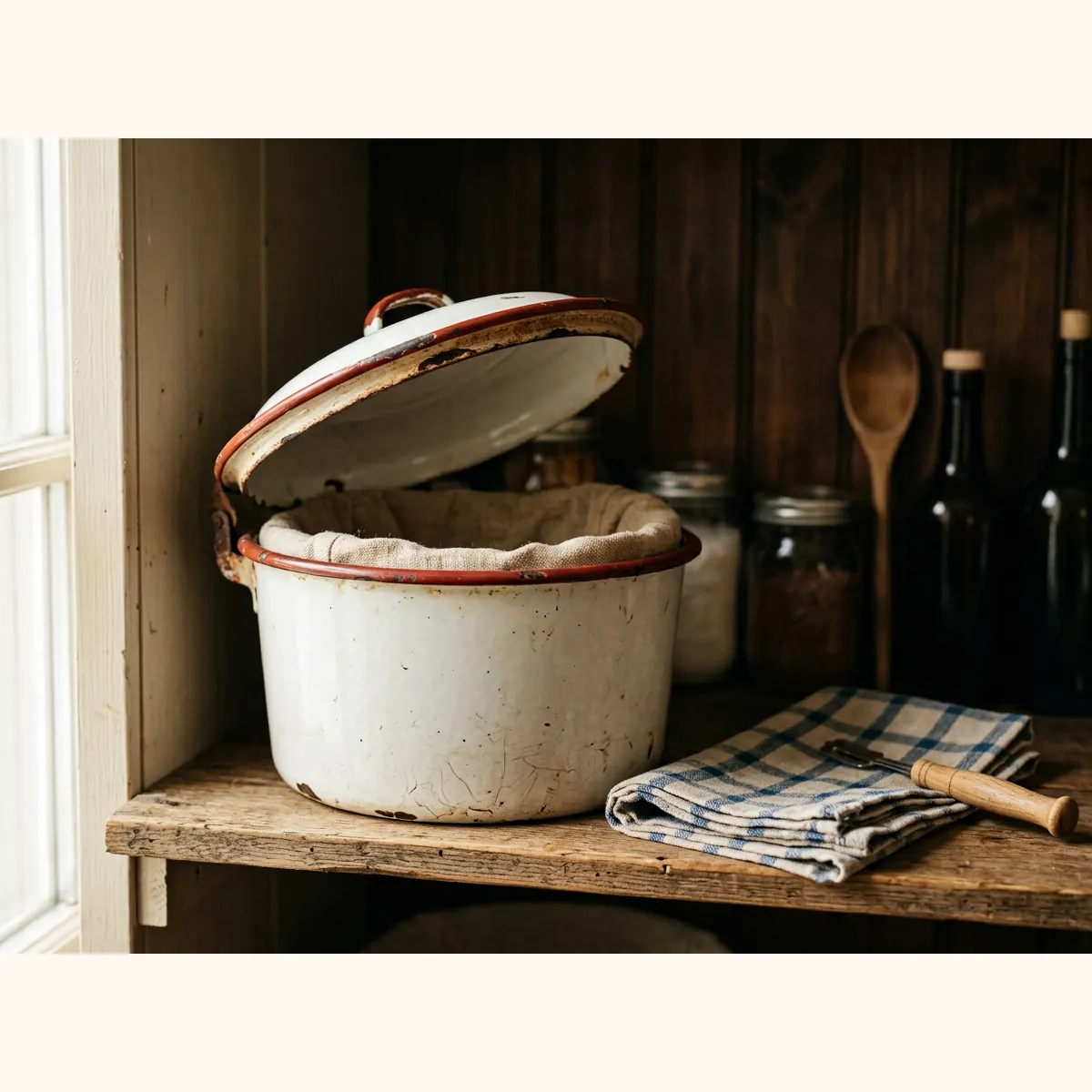
- Daylight, raking light, and an honest flaw frameEvery ledger set includes one photograph of the worst wear, because character deserves the same lens as beauty.
- Patina stance
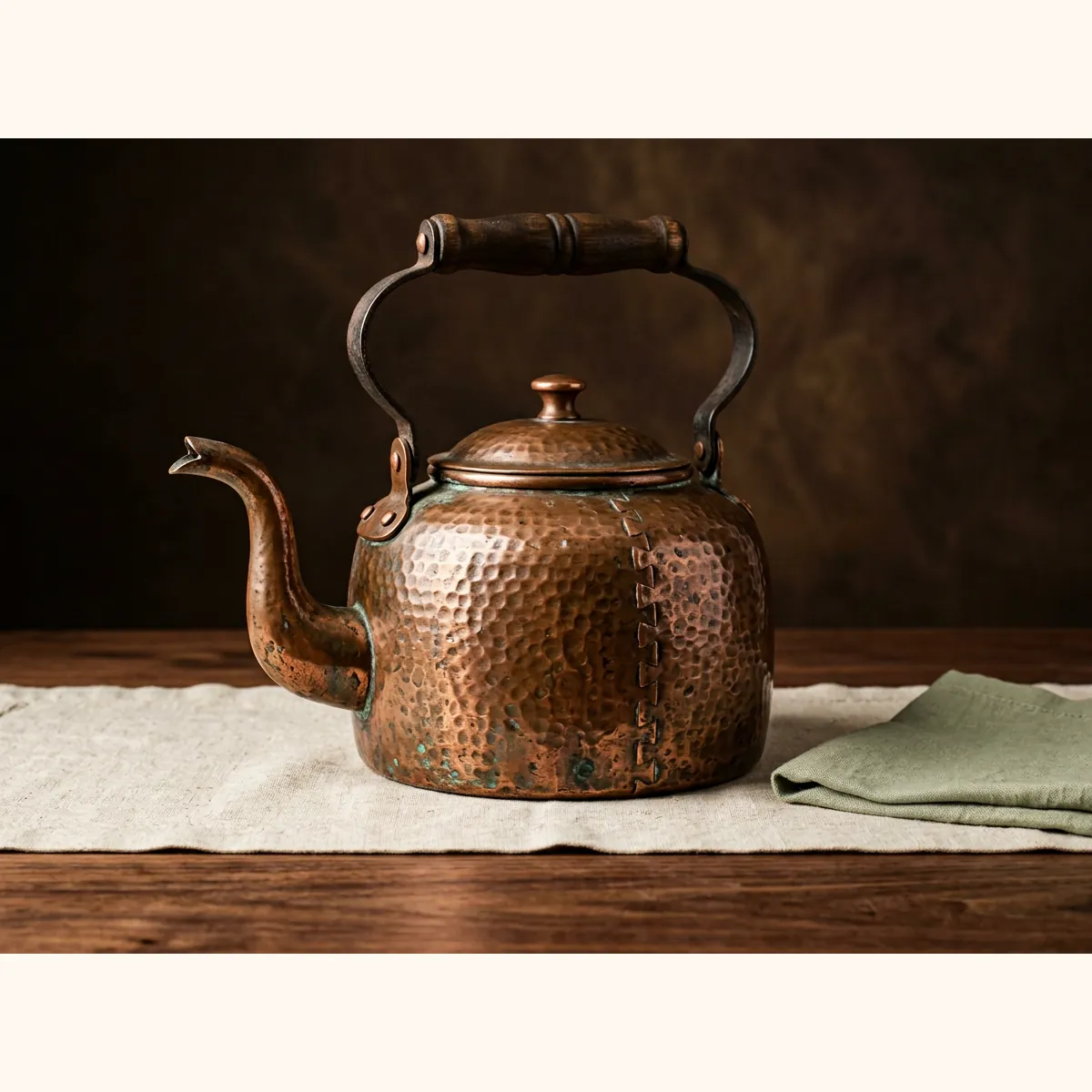
- Left intact wherever soundVerdigris is stabilized, not stripped; shellac is glazed, not replaced; wax is layered, not polished away.
- Care interval
- Seasonal, by material familySee the Quality Standards & Care Guide for the wax, oil, and textile routines we recommend to stewards.